
Jun 1, 2025 · JKT
Driveways Done Right: The Wasatch Paving Difference
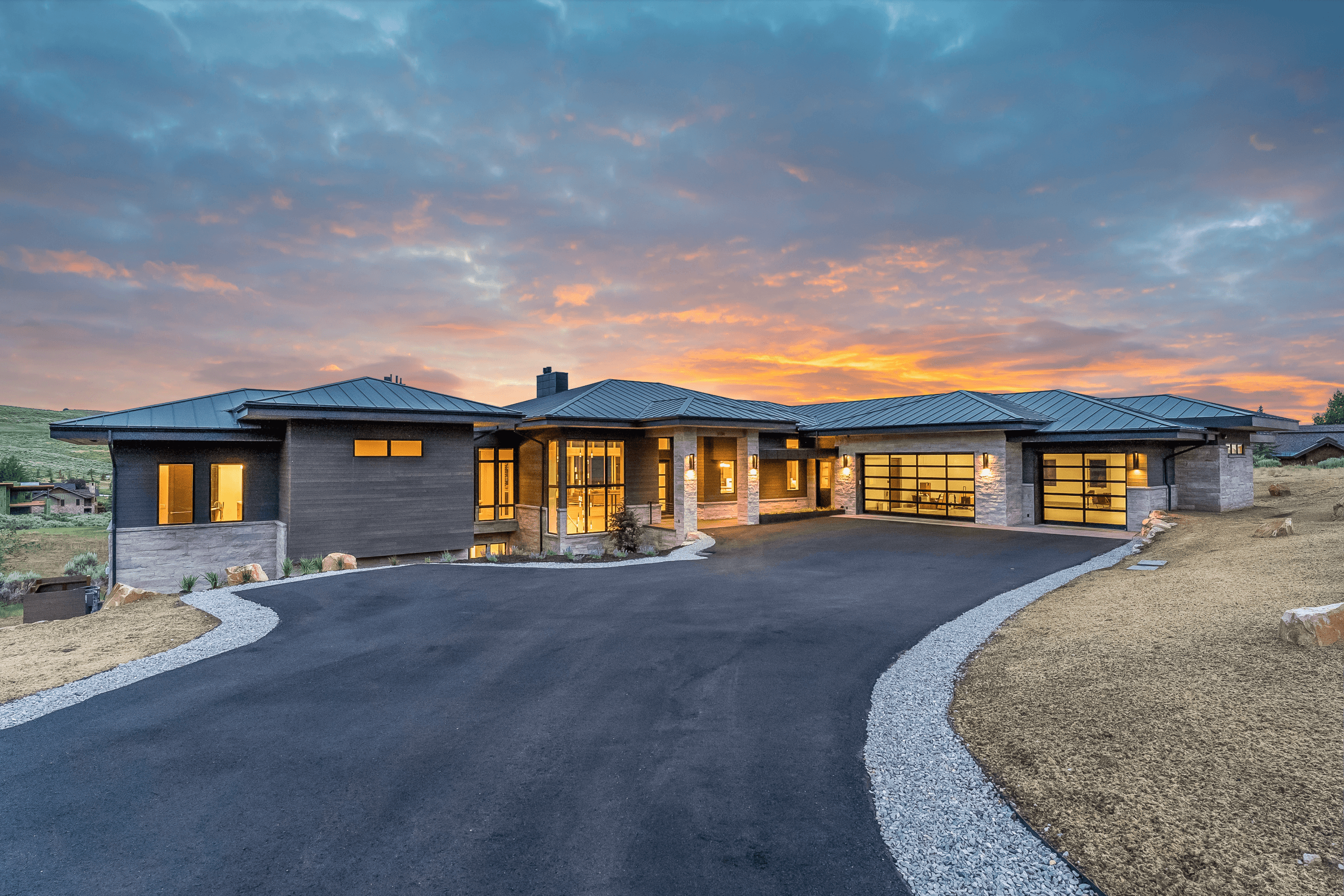
A driveway in Park City or Heber City is not the same as a driveway in the suburbs. It may climb 200 feet of elevation from the road to the garage. It may curve through a stand of aspens with tight radius turns. It may need to support delivery trucks during construction and luxury vehicles for decades after. The driveway is the first thing a visitor sees and the last thing they drive over when they leave. Getting it right is not optional in the luxury market.
It Starts with the Base
The most common failure in asphalt driveways is not a surface problem. It is a base problem. A driveway that cracks, ruts, or develops potholes within a few years almost always has an inadequate base. In the Wasatch Back, where freeze-thaw cycles are severe and soils vary widely, the base course is the most critical element of the installation.
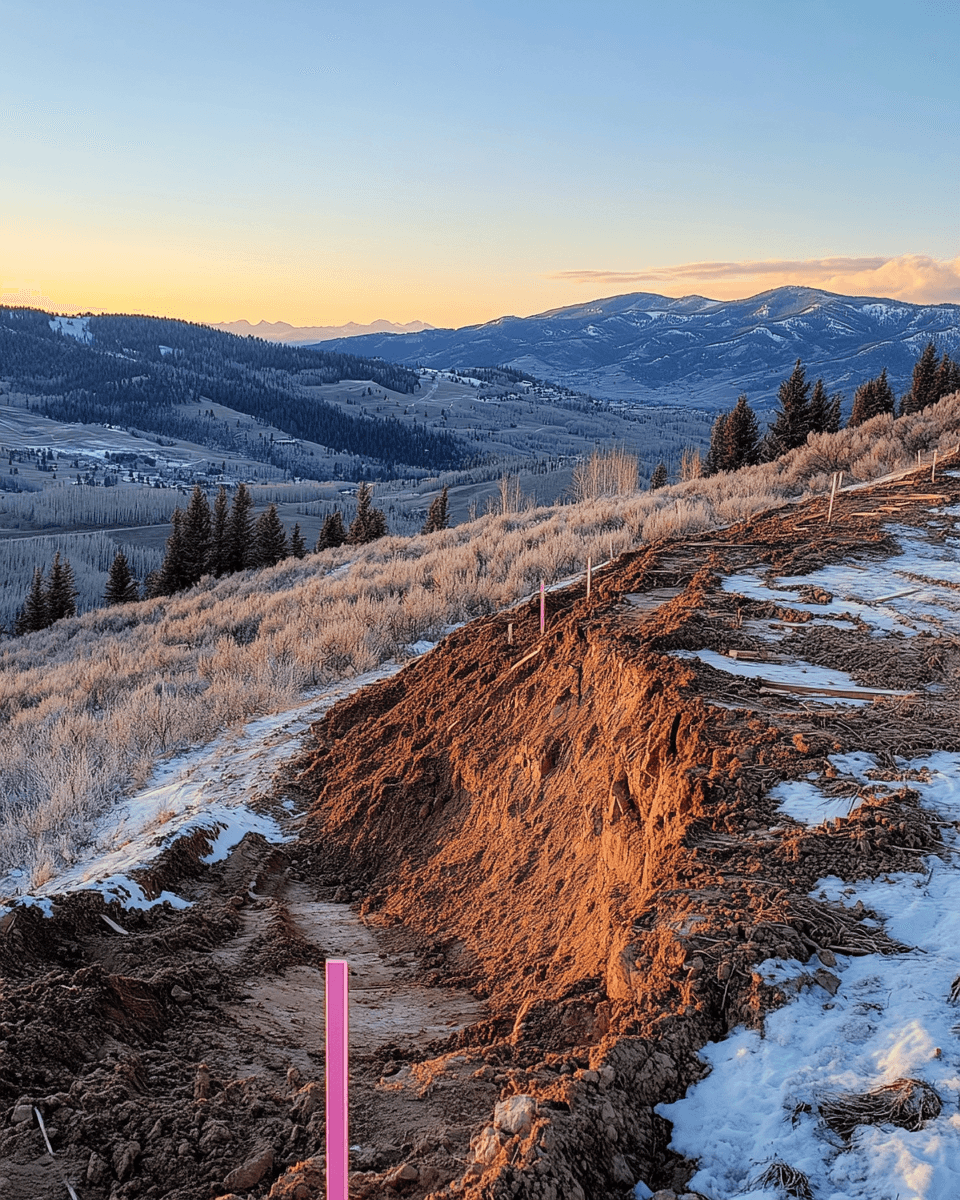
Wasatch Paving specifies a minimum of six inches of compacted road base for residential driveways, and more on sections that will carry heavy loads or span unstable soils. The subgrade is prepared by removing organic material, proof-rolling to identify soft spots, and compacting to a minimum of 95 percent density. Only after the base passes compaction testing does the paving crew mobilize.
Grading for Drainage
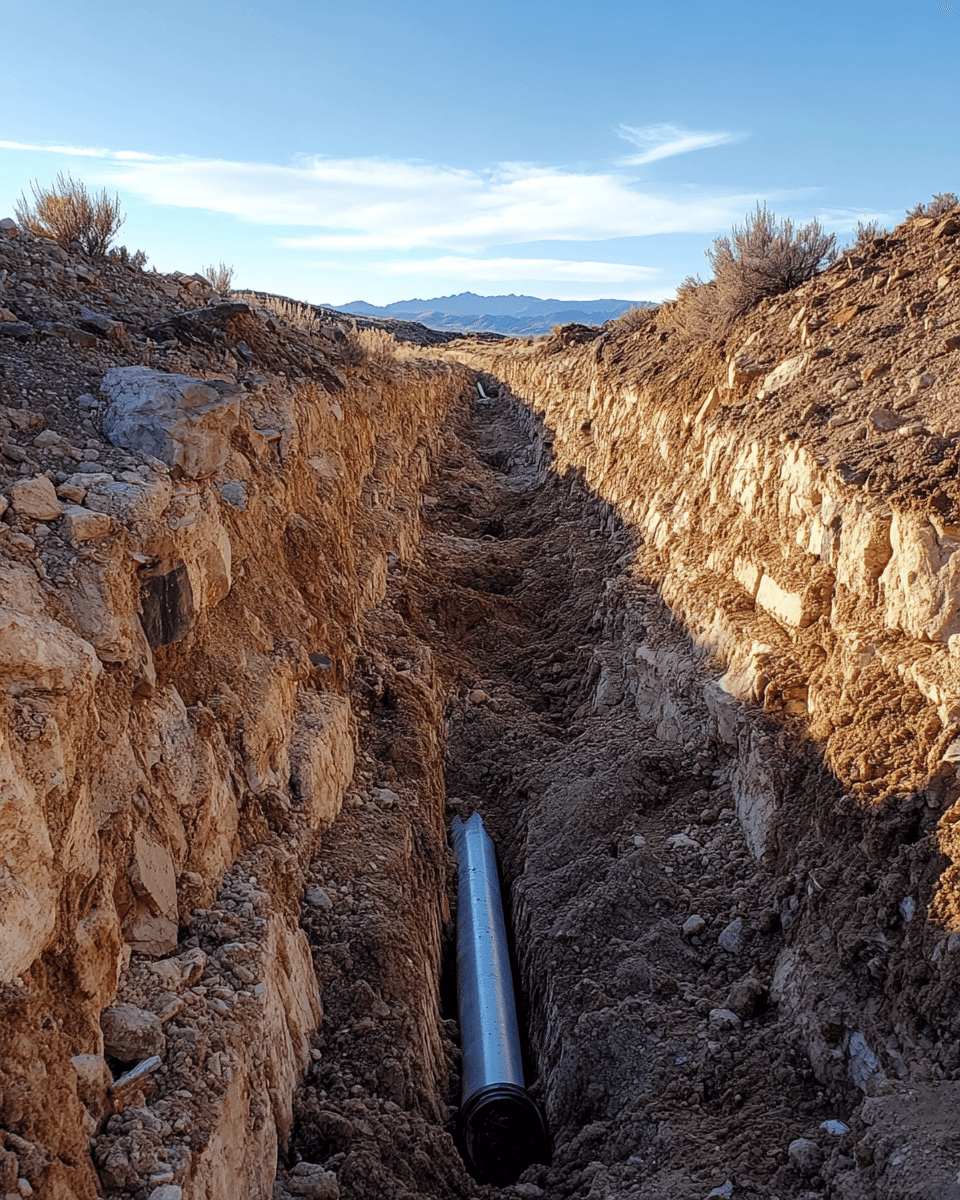
Mountain driveways must manage water. Snow melt, rain, and irrigation runoff all flow downhill, and if the driveway does not direct that water away from the surface and the home, it will pool, freeze, and destroy the pavement. Every driveway we install is graded with a crown or cross-slope that moves water to the edges, where it is collected in swales, culverts, or drain inlets.
On steep driveways, we install heated sections at critical points: the transition from the garage to the slope, tight curves where ice accumulation is dangerous, and any area where shade prevents natural snow melt. Hydronic heating loops are embedded in the asphalt during installation, providing reliable ice prevention without chemical deicers that damage the pavement surface.
The Paving Process
Asphalt is placed in two lifts: a binder course and a surface course. The binder course is a coarser mix designed for structural strength. It is placed first, rolled to density, and allowed to cool. The surface course is a finer mix with a tighter aggregate gradation that provides a smooth, dense wearing surface. Two-lift construction produces a driveway that is stronger, more uniform, and more resistant to cracking than a single-lift installation.
Temperature control during paving is essential. Asphalt must be placed and compacted while it is within a specific temperature range. If the material cools too much before compaction, it will not achieve proper density, and the surface will be porous and weak. Our crews monitor material temperature continuously and adjust rolling patterns to ensure that every section of the driveway meets density specifications.
Long-Term Performance
A properly constructed asphalt driveway in the Wasatch Back should provide 20 to 25 years of service with minimal maintenance. Seal coating every three to five years protects the surface from UV degradation and water infiltration. Crack sealing prevents small surface cracks from propagating into the base. With this level of care, the driveway will look and perform as well in year fifteen as it did in year one. That longevity is the real measure of quality paving work.
RELATED SERVICES
Services referenced in this piece
LET'S BUILD
Ready to break ground?
Call, email, or send us the plans. We'll set up a site walk.