
Aug 7, 2025 · JKT
From Raw Land to Foundation: What to Expect During the Excavation Phase
For most homeowners and builders, the excavation phase is the least visible but most consequential stage of construction. By the time the foundation crew arrives, every decision made in the dirt has already determined whether the project runs on schedule or falls behind. Understanding the excavation timeline removes uncertainty and helps you plan the trades that follow.
Week One: Mobilization and Site Clearing
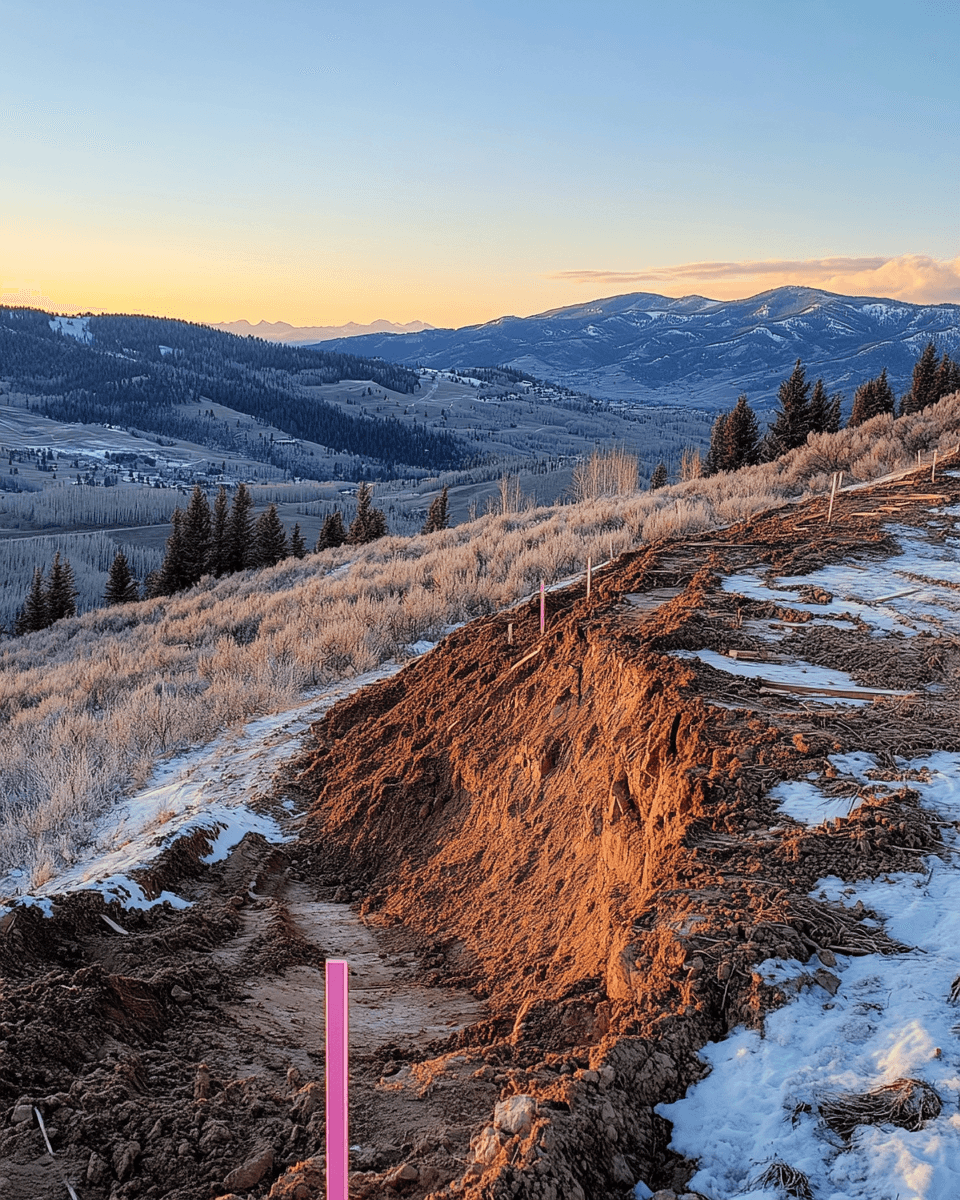
The project begins with mobilization: delivering equipment to the site, establishing access roads, and setting up erosion control measures. On a typical Wasatch Back residential lot, this includes installing silt fencing along the downhill perimeter, placing construction entrance rock to prevent mud tracking onto public roads, and marking utility locations.
Site clearing follows immediately. Trees and vegetation within the building footprint and access corridors are removed. Topsoil is stripped and stockpiled on site for later use in final grading and landscaping. On mountain lots, this phase also includes removing any surface boulders and establishing temporary drainage paths to manage water during construction.
Weeks Two and Three: Mass Excavation
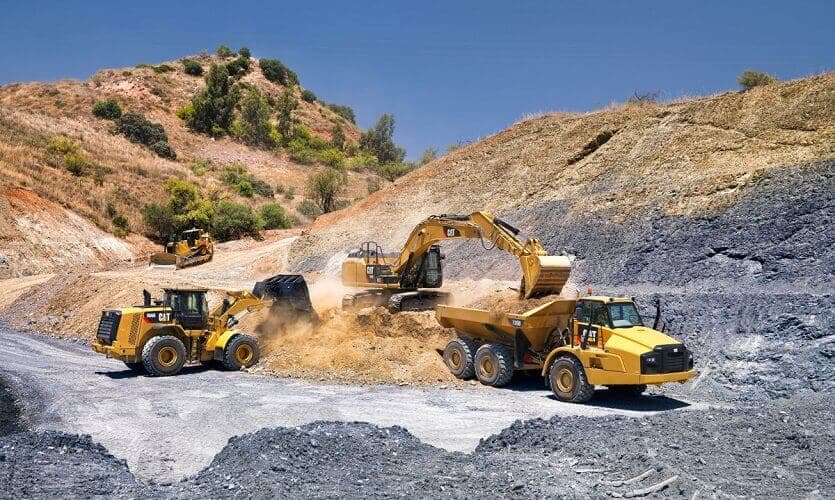
This is the most dramatic phase. Excavators and dozers cut the building pad to rough grade, removing hundreds or sometimes thousands of cubic yards of material. On a luxury home with a walkout basement in Park City, it is common to move 3,000 to 5,000 yards of earth. Material is either hauled off site to an approved disposal location or balanced on site by filling low areas and building up terraces.
During mass excavation, the crew monitors cut depths against the grading plan using GPS-equipped machines and laser levels. Soil conditions are evaluated continuously. If rock is encountered above the expected depth, the team brings in hydraulic breakers or, on larger formations, coordinates with a blasting subcontractor. Each day's progress is measured against the schedule, and the superintendent communicates any changes to the builder immediately.
Week Four: Fine Grading and Utility Trenching
Once the rough cut is complete, the focus shifts to precision. The building pad is fine-graded to within an inch of the target elevation. This is the surface the foundation forms will sit on, and accuracy here directly affects concrete costs. An uneven pad means shimming forms, adding concrete, or both.
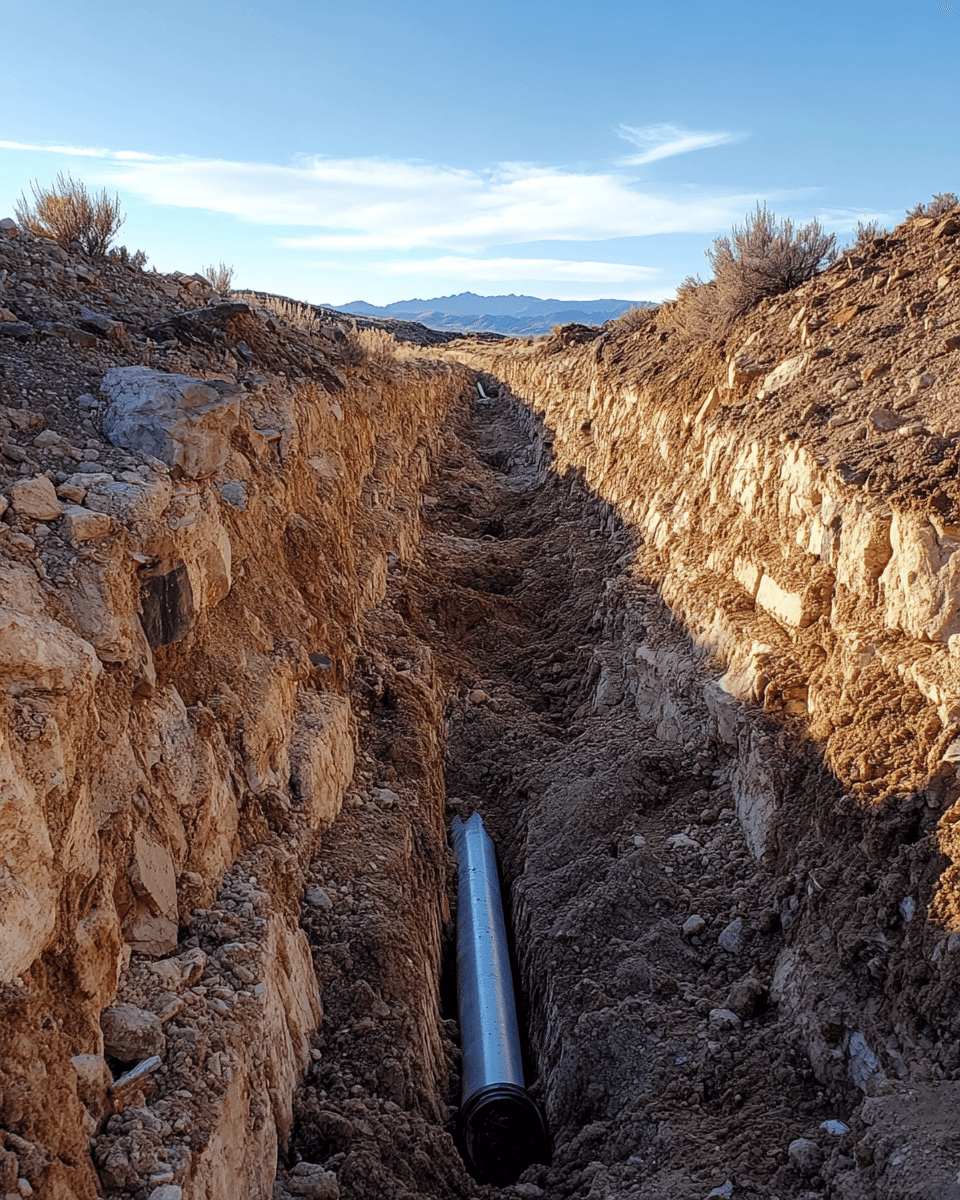
Utility trenching typically runs concurrently with fine grading. Trenches are cut for water, sewer, electrical, gas, and communications lines according to the civil engineer's utility plan. Each utility has specific depth and bedding requirements. Trenches are bedded with imported granular material, the pipes or conduits are placed and inspected, and then the trenches are backfilled in controlled lifts with compaction testing at each stage.
- Water and sewer lines are typically the deepest, running 4 to 8 feet below grade
- Electrical and communications conduits run at 24 to 36 inches
- Gas lines require specific separation distances from other utilities
- Each utility must pass inspection before backfill is permitted
Week Five: Compaction and Handoff
The final phase is all about verification. The building pad and all backfilled areas are compacted to the density specified by the geotechnical engineer, typically 95 percent of modified Proctor. An independent testing firm takes nuclear density readings at multiple locations across the pad and in every utility trench. These compaction reports become part of the permanent project record and are required before the foundation permit is issued.
Once compaction is approved, the excavation contractor performs a final site cleanup, removes temporary access improvements if needed, and formally hands the site to the foundation crew. On a well-run project, this handoff is seamless. The foundation team arrives to a pad that is level, stable, properly drained, and ready for forming. Every week invested in careful excavation pays dividends in the months of construction that follow.
RELATED SERVICES
Services referenced in this piece

LET'S BUILD
Ready to break ground?
Call, email, or send us the plans. We'll set up a site walk.