
Jun 19, 2025 · JKT
Why Precision Excavation Matters in Park City Luxury Builds
In Park City's luxury construction market, excavation is far more than the first step in a build. It is the foundation on which every subsequent trade depends. A building pad that is off by two inches, a utility trench that does not meet grade, or a slope that was not properly retained can cascade into weeks of delays and tens of thousands of dollars in corrections. Precision is not a luxury in this work. It is the baseline expectation.
The Stakes Are Higher at Elevation
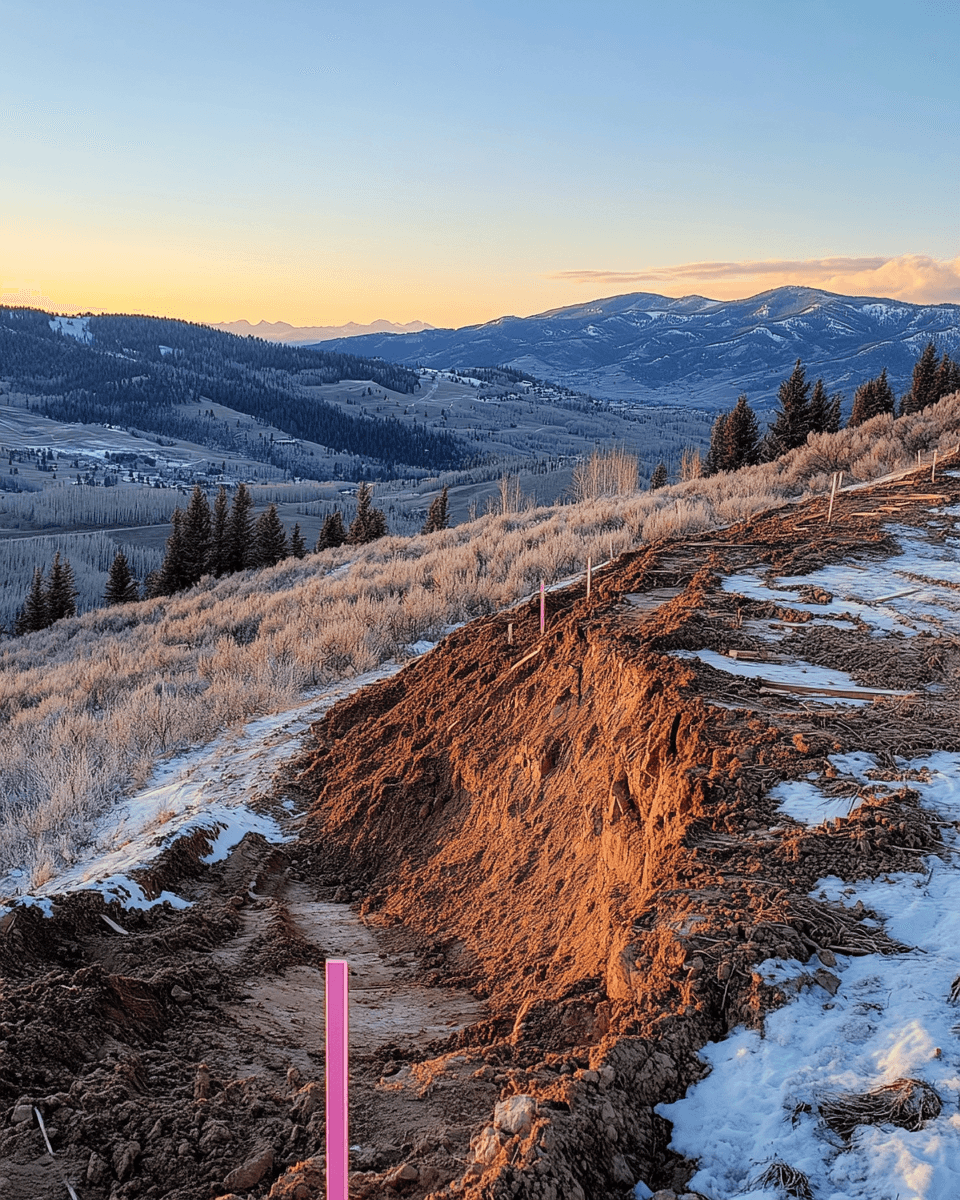
Custom homes in Park City, Deer Valley, and the surrounding communities routinely sit on lots that would be considered unbuildable in other markets. Steep grades, mixed rock and clay soils, and tight setbacks from ski runs or open space easements mean that every cut and every fill must be calculated and executed with precision. There is no room for a rough approximation when the architect has designed a home to cantilever over a hillside or when the structural engineer has specified a bearing surface at an exact elevation.
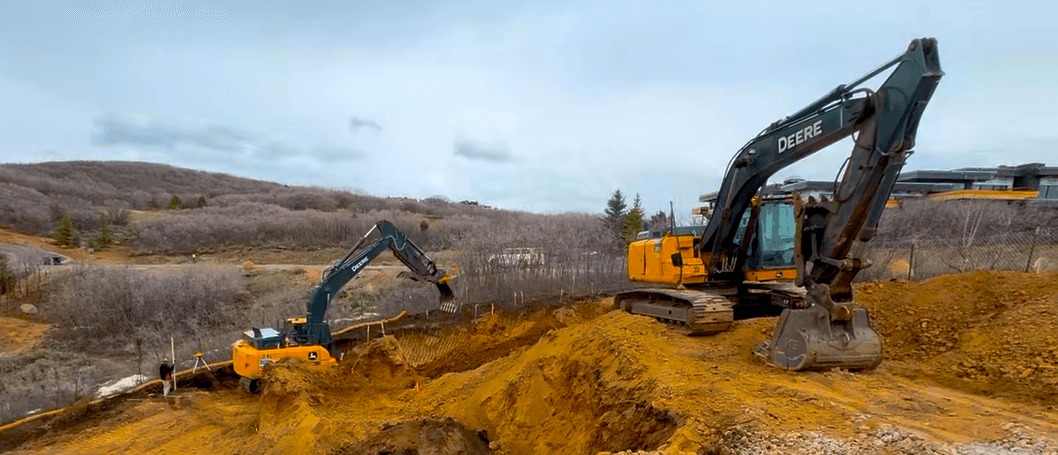
GPS-guided machine control has transformed what is possible on these sites. Modern excavators equipped with GPS can cut to within a fraction of an inch of the design surface, reducing over-excavation and minimizing the amount of material that needs to be imported or hauled away. But technology is only as good as the operator behind the controls. Experienced operators who understand how mountain soils behave, how water moves through a hillside, and how to read conditions in real time are what separate a precise excavation from a costly one.
How Imprecise Excavation Creates Downstream Problems
When a building pad is not cut to the correct elevation, the foundation crew has to compensate. That might mean deeper footings in some areas and shallower ones in others, additional formwork to account for an uneven surface, or extra concrete to fill gaps that should not exist. Each of these adjustments adds cost and time.
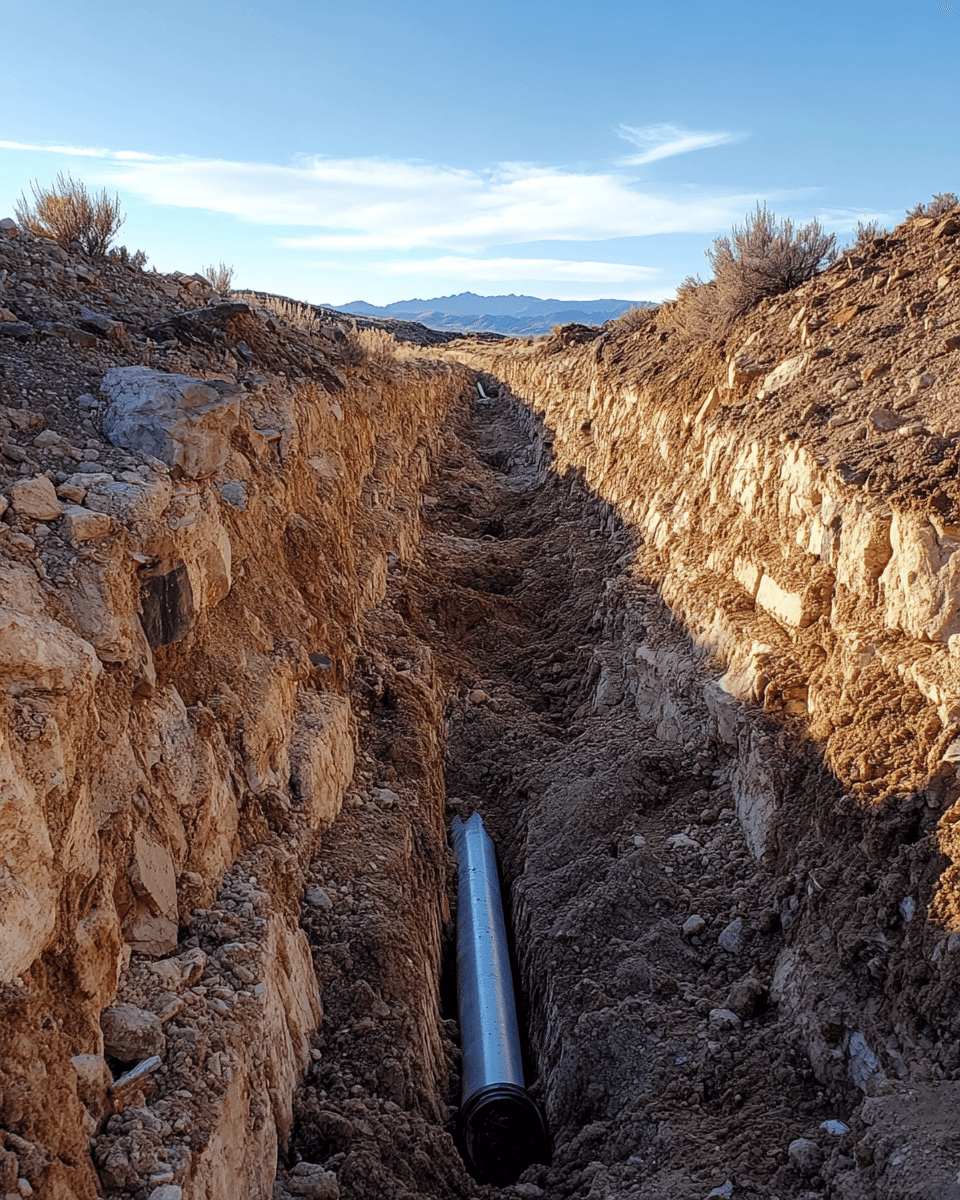
Utility trenching demands the same precision. Water and sewer lines must maintain specific slopes to function by gravity. If a trench is too shallow or the grade is inconsistent, the lines will not drain properly, and the problem will not reveal itself until the home is occupied. Electrical and communications conduits need to be at code-specified depths with proper separation distances. Getting this wrong means tearing up finished work to make corrections.
What Precision Looks Like in Practice
On a JKT project, precision starts before the first bucket of dirt is moved. The team reviews the grading plan, the geotechnical report, and the structural drawings together. Cut sheets are prepared for every elevation point on the pad. During excavation, grade is checked continuously with laser levels and GPS, not just at the end of the day. Compaction testing is performed in lifts, not as a single pass after backfill is complete.
This discipline takes more time up front but saves far more time downstream. Builders who work with JKT consistently report that their foundation crews arrive to pads that are ready, with no surprises and no rework. In a market where construction schedules are measured in months and budgets in millions, that reliability is worth more than any line item on a bid sheet.
RELATED SERVICES
Services referenced in this piece

LET'S BUILD
Ready to break ground?
Call, email, or send us the plans. We'll set up a site walk.