

Jun 10, 2025 · JKT
How We Tackle Excavation in Utah's Harsh Winters
Winter in the Wasatch Back is not kind to construction schedules. Temperatures drop below zero, snow accumulates in feet rather than inches, and the ground can freeze to depths of three feet or more. Most excavation companies park their equipment in November and do not return until April. At JKT, we approach winter differently. With the right equipment, the right preparation, and crews who know how to work in these conditions, winter excavation is not just possible. It is an advantage.
Why Winter Work Matters
In Park City's luxury construction market, schedules are everything. A home that breaks ground in spring may not be weather-tight before the following winter, adding an entire year to the build timeline. By completing excavation and foundation work during the winter months, the builder gains a critical head start. When spring arrives, the project is ready for framing rather than still waiting for a hole in the ground.
Winter excavation also avoids the scheduling bottleneck that hits every spring. When the ground thaws in April and May, every contractor in the valley is mobilizing at the same time. Equipment availability tightens, material deliveries slow down, and crews are spread thin. A project that completed its site work over the winter skips this annual logjam entirely.
Working Frozen Ground
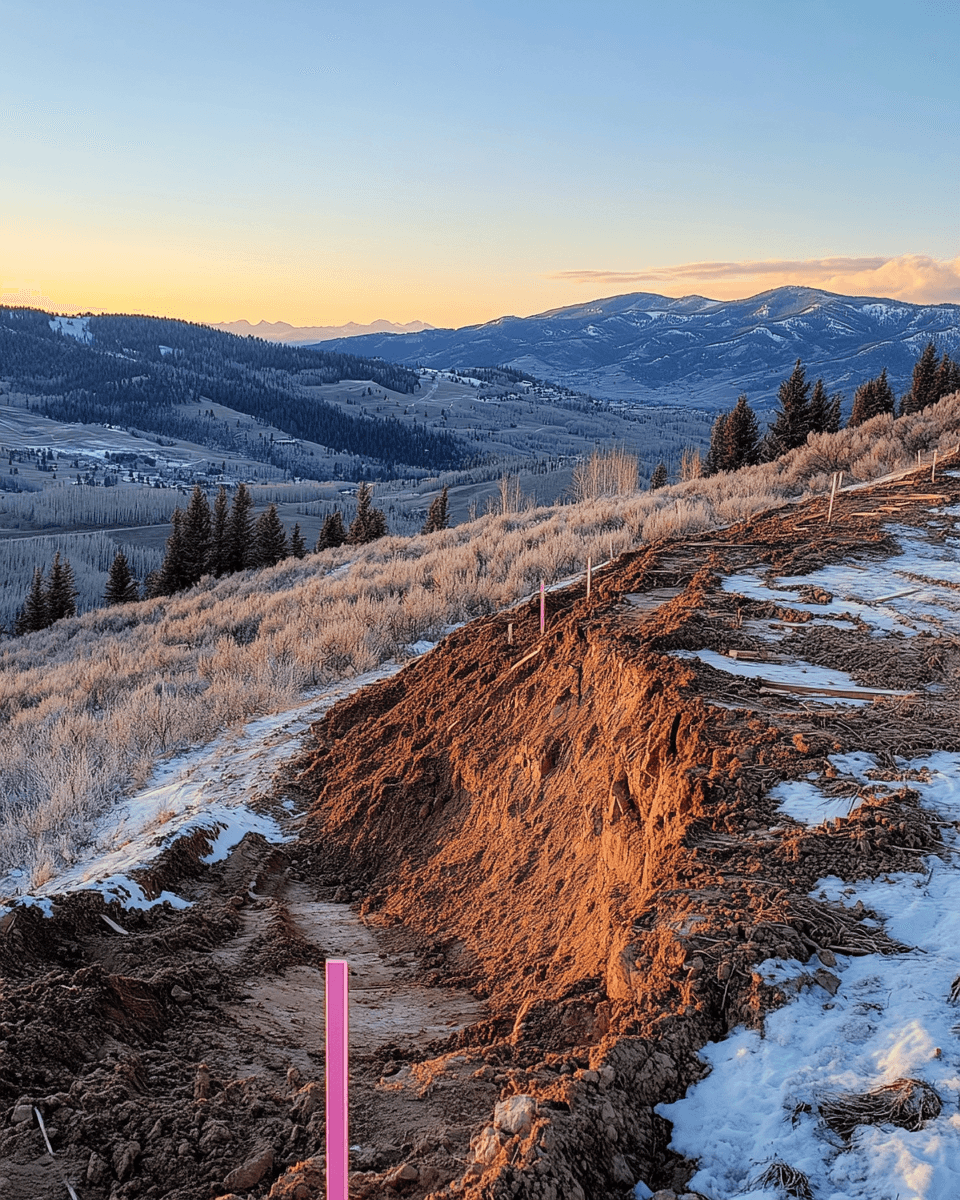
The primary challenge of winter excavation is frozen soil. The frost line in Park City typically extends 36 to 48 inches below grade by mid-January. Standard excavation techniques are not effective against frozen ground; the material is essentially rock-hard and resists conventional bucket work.
We use several strategies to manage frozen conditions. On sites where excavation is planned for winter, we install insulating ground blankets in the fall to slow frost penetration. For active excavation, hydraulic breakers mounted on excavators can fracture frozen material efficiently. In extreme conditions, we use ground thawing equipment to soften the surface layer before excavation begins. The approach depends on the depth of frost, the soil type, and the project timeline.
Protecting the Work
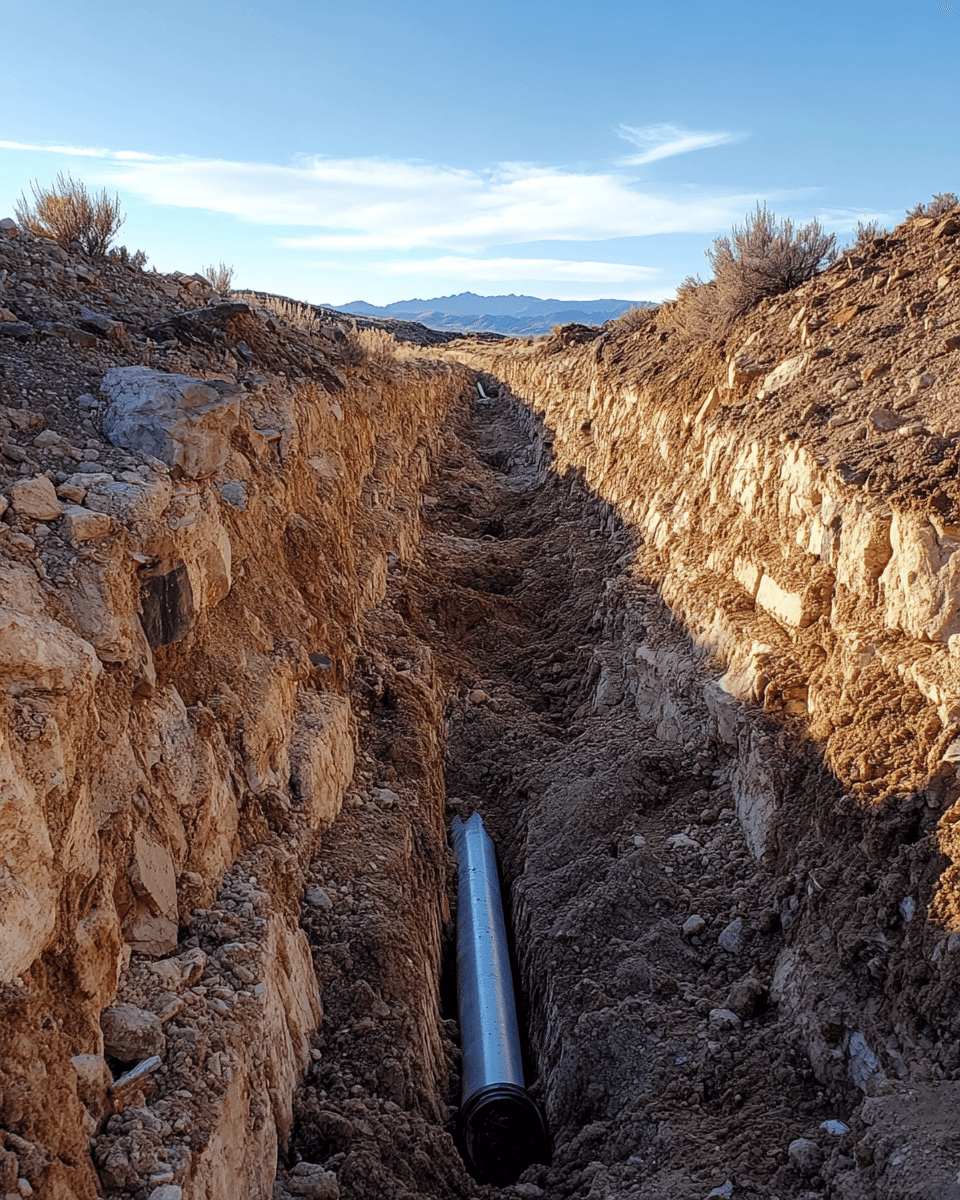
Excavating in winter is only half the challenge. Protecting the completed work from freeze-thaw cycles, snow loading, and water infiltration is equally important. Open excavations are covered with insulating blankets when work stops for the day. Drainage channels are maintained to prevent meltwater from pooling in the cut. Compaction testing accounts for moisture content changes as frozen soils thaw.
Snow management on the site is a daily task. Access roads must be plowed and maintained, equipment must be warmed and inspected each morning, and material stockpiles must be protected from becoming saturated. These logistics add complexity, but they are manageable with proper planning and a crew that is experienced in cold-weather operations.
The Competitive Advantage
Builders who work with a contractor capable of winter excavation gain a strategic advantage in the Park City market. They can close on a lot in the fall and have site work underway within weeks rather than waiting five months for spring thaw. That head start translates to earlier completion dates, reduced carrying costs on construction loans, and the ability to deliver homes to buyers sooner. In a market where demand outpaces supply, time is the most valuable commodity on any job site.
RELATED SERVICES
Services referenced in this piece
LET'S BUILD
Ready to break ground?
Call, email, or send us the plans. We'll set up a site walk.